

tempered laminated glass manufacturers
The Importance of a Welding Workbench Welding is a skilled trade that plays a crucial role in various industries, from manufacturing to construction. A properly designed welding workbench is an essential piece of equipment for any welder, offering a dedicated space to work safely and efficiently. This article explores the features, benefits, and considerations of a welding workbench, highlighting its significance in the welding process. A welding workbench typically features a sturdy, non-combustible surface that can withstand extreme heat and potential sparks. Steel or metal surfaces are common, as they provide durability and strength. The workbench should also be adequately sized to accommodate various pieces of metal, tools, and equipment, allowing for comfort and ease of movement during the welding process. One of the primary benefits of a welding workbench is organization. A well-equipped workbench will have designated areas for tools, safety equipment, and materials . This organization not only enhances efficiency but also reduces the risk of accidents. A clutter-free space helps welders to focus on the task at hand without unnecessary distractions, ultimately improving the quality of their work. welding workbench Safety is another critical aspect of a welding workbench. The workspace should be designed with safety in mind, incorporating features such as fire-resistant materials and adequate ventilation to dissipate fumes. Additionally, having a well-lit workspace is vital, as it allows welders to see their work clearly and to identify any potential hazards more easily. Another important feature of a welding workbench is adjustability. Many modern welding workbenches offer adjustable heights and surfaces, allowing welders to customize their workspace according to their comfort and project needs. This adaptability can help reduce the physical strain associated with long hours of welding. In conclusion, a welding workbench is more than just a functional piece of equipment; it is a cornerstone of safe and efficient welding practices. By providing a dedicated, organized, and safe workspace, a well-designed welding workbench enhances productivity and ensures that quality standards are met. As the welding industry continues to evolve, investing in a quality workbench will remain a vital consideration for both novice and experienced welders alike. Whether in a professional shop or a home garage, the right workbench plays an indispensable role in achieving outstanding welding results.
about
tempered laminated glass manufacturers
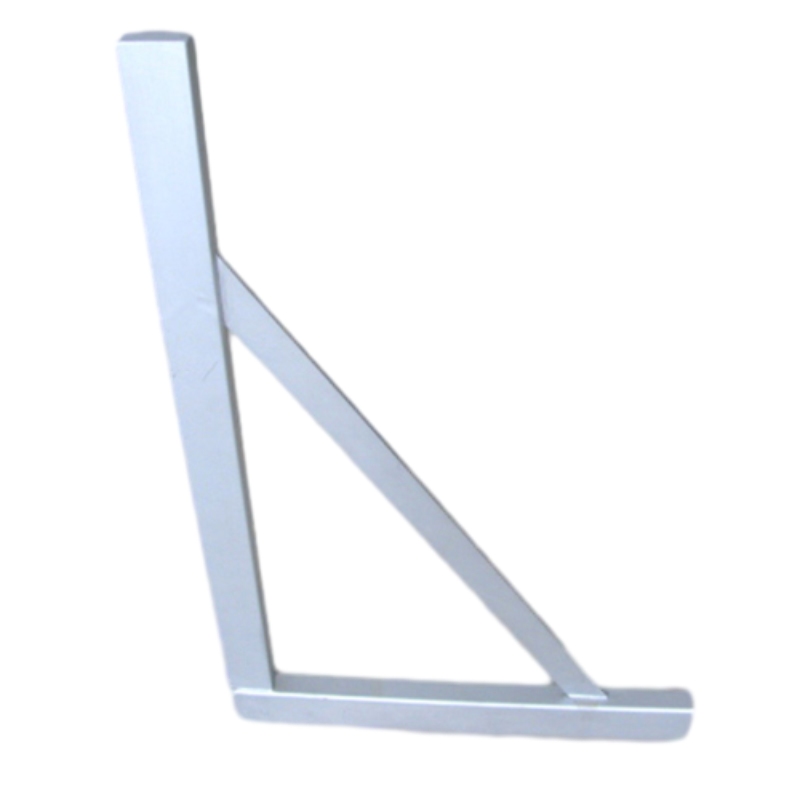
The Metal Angle Ruler A Versatile Tool for Precision Measurement In the world of design, architecture, engineering, and crafts, precision is paramount. Among the many tools available to ensure accuracy in measurements, the metal angle ruler stands out as a highly versatile and indispensable instrument. This article delves into the features, advantages, applications, and maintenance of metal angle rulers, highlighting their significance in various fields. Features of Metal Angle Rulers Metal angle rulers are typically constructed from high-quality stainless steel or aluminum, ensuring durability and resistance to corrosion. A standard metal angle ruler consists of two arms that meet at a right angle, forming a 'L' shape. One of the primary features of these rulers is the calibrated markings along the edges, which are usually in both metric and imperial units. This dual measurement system allows for flexibility and convenience, catering to users from different regions and industries. Many metal angle rulers come equipped with additional features such as movable arms or built-in protractors that facilitate more complex angles. Some designs include laser-engraved measurements for enhanced visibility and longevity, as printed markings can wear off over time. Their smooth surface ensures easy sliding over materials, making them ideal for drawing straight lines or measuring angles accurately. Advantages of Using Metal Angle Rulers One of the critical advantages of metal angle rulers is their precision. The rigid nature of metal ensures that the ruler maintains its shape, preventing any bending that could lead to inaccurate measurements. In contrast to plastic or wooden rulers, metal angle rulers provide a greater degree of accuracy, which is essential in fields where even minor discrepancies can have significant consequences. Another advantage is their durability. Metal angle rulers are designed to withstand wear and tear, making them suitable for both indoor and outdoor use. Whether in a workshop, construction site, or classroom, these rulers can endure harsh conditions, ensuring long-term reliability. Moreover, the versatility of metal angle rulers cannot be overstated. They can be used for a broad range of applications, including drafting, woodworking, metalworking, and even baking. Their ability to create perfect right angles makes them a favorite among carpenters, architects, and engineers . The metal angle ruler can also assist in laying out lines for cutting or drilling, ensuring that projects are executed flawlessly. Applications in Various Fields metal angle ruler 1. Architecture and Engineering Architects and engineers frequently use metal angle rulers for creating blueprints and technical drawings. The precision of the ruler helps in drafting accurate representations of structures, allowing for effective planning and communication among stakeholders. 2. Woodworking and Crafting Woodworkers rely on metal angle rulers to achieve precise cuts and joinery. The ability to draw accurate lines and angles is crucial when creating furniture, cabinetry, or intricate designs. 3. Education In educational settings, metal angle rulers are essential tools for teaching students about geometry and design principles. Their use in practical assignments enhances understanding and skills in measurement. 4. Metalworking Metal fabricators utilize angle rulers for accurate layout and cutting of metal components. The robustness of metal rulers allows them to be used alongside heavy machinery without risk of damage. Maintaining Your Metal Angle Ruler Proper maintenance of a metal angle ruler is vital to ensure its longevity and accuracy. Users should clean the ruler regularly to remove dust, grease, or debris that can affect precision. A soft cloth or mild detergent is sufficient for cleaning; harsh chemicals should be avoided as they can scratch or tarnish the surface. It is also essential to store metal angle rulers in a safe place, away from other tools that could cause scratches or dents. Using a protective case can prevent accidental damage during transport. Conclusion In conclusion, the metal angle ruler is a crucial tool for achieving precision in various fields, from architecture to woodworking. Its reliable construction, versatility, and ease of use make it an invaluable addition to any toolbox. By understanding its features and proper maintenance, users can ensure that their metal angle ruler remains an effective instrument for many years to come. Whether you are a professional in a technical field or a hobbyist, investing in a quality metal angle ruler is a decision that will greatly enhance your work's accuracy and quality.
-

High quality industrial productsagement

High quality industrial products
View Details -

Meet the diverse needs of customers

Meet the diverse needs of customers
View Details -

Strict quality control

Strict quality control
View Details -

Top raw materials

Top raw materials
View Details -

Trusted supplier

Trusted supplier
View Details
Our application



news and information
Vérificateur anti-retour pour prévenir les refoulements dans les systèmes de canalisation
La Soupape Anti-retour Une Protection Essentielle dans les Systèmes Hydraulique La soupape anti-ret

Vanne de contrôle à boule de 4 pouces
La vanne à clapet de 4 pouces un élément essentiel pour la régulation des fluides La vanne à clapet
Valve for Sale Top Quality Guaranteed
Discover the perfect valve for your specific needs with our comprehensive guide to valves for sale.
 English